
Moroccan startup unveils prototype UAV that operates without GPS signal
The prototype now under testing is a four-meter wingspan UAV, but the company is aiming for larger airframe to be able to reach 2,000 kilometers in range.
The prototype now under testing is a four-meter wingspan UAV, but the company is aiming for larger airframe to be able to reach 2,000 kilometers in range.
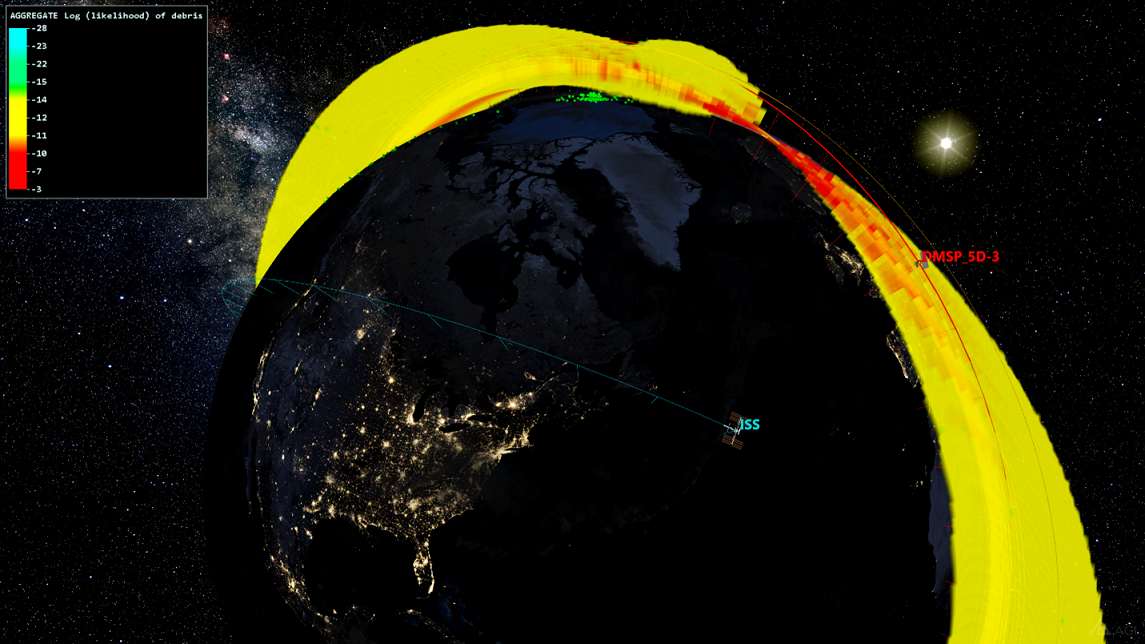
GPS vulnerability is a serious national security issue and many federal departments have a role. But if this is everyone’s responsibility, no one is responsible.


A commitment to long-term operational value.

In his first op-ed since leaving service, Jim Slife, the former Air Force No. 2 officer, lays out how space procurement has been stymied in the past.

Mapping Europe’s modernization from the Eastern drone wall to actual artificial intelligence resident in tanks.


The era of uncontested GPS dominance is over. As counterspace threats and electronic warfare redefine the battlefield, learn how Exail’s Fiber Optic Gyro (FOG) technology provides the high-end stability and autonomous “source of truth” required for land maneuver and precision fires in GNSS-denied environments.

Absolute positioning is critical in contested and denied environments.


As threats continue to evolve, speed will increasingly depend on what is already available when the need emerges.
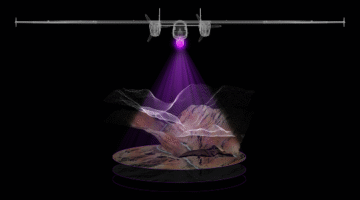
As “dirty” RF and contested environments proliferate, autonomy increasingly depends on resilient positioning.

The upgrade to be performed under then new contract would allow Lockheed Martin's AEP ground system to replace RTX's long-troubled OCX program for future GPS IIIF birds.

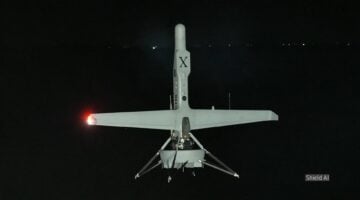
Continuation of UAS operations in contested and GPS-denied environments is key.

Meanwhile, House and Senate appropriators are foot-stomping the need for improvements to the GPS constellation and new, resilient alternatives.


Decentralized Embodied Collaborative intelligence enables better reconnaissance, logistics and combat capabilities.
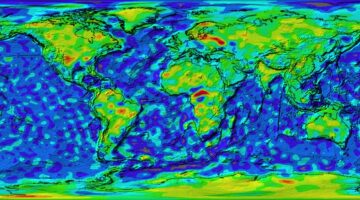
DIU expects to fund prototypes of multiple airborne platforms for magnetic navigation, including one that scans the ocean surface at 2,000 ft.

US strategic planners must confront an uncomfortable truth, writes Sean Gorman in this op-ed: A core pillar of American military and civilian power is far more vulnerable than many assume.

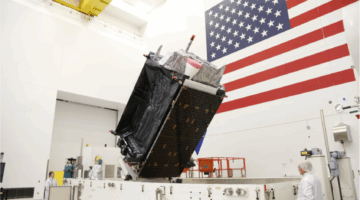
The GPS network continues to prove its unmatched reliability, and it’s only getting stronger.


After manifesting 1,400 payloads aboard the ISS, Voyager is applying its mission management expertise to the next generation of space stations, ensuring uninterrupted mission readiness and success from the ground to space.